


| mobile_3 App Name | Capybara Go! |
| link_2 Google Play Link |  |
| code Developer | Habby |
| account_tree Version | 1.8.14 |
| storage Size | 554 MB |
| android Requires Android | 7.0 and up |

MOD Features
– Unlimited Money
– No Ads
Capybara Go!: Introduction
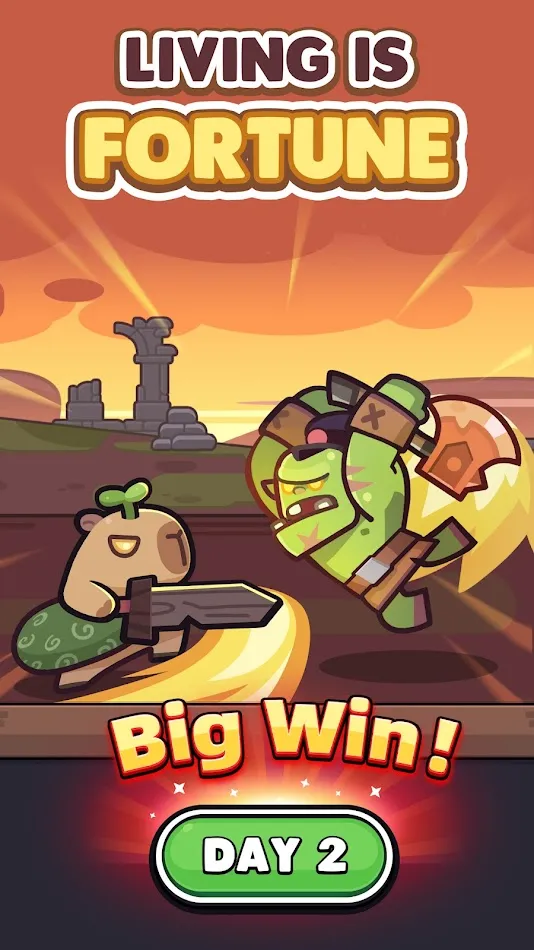
Capybara Go! is one of those mobile games that appears extremely simple at first glance. The art style is soft, the main character is a cheerful capybara, and battles often play out automatically without requiring constant input. It can easily look like another casual idle game designed for short sessions and effortless progression.
After spending time with it, however, the experience becomes much easier to understand. Capybara Go! is less about controlling a character and more about watching a journey unfold while making small decisions that slowly shape your success. The game lives somewhere between an idle RPG, a roguelike adventure, and a long-term progression game, creating a daily routine that feels surprisingly engaging.
The question many players eventually ask is not how the game works, but why they continue returning to it every day. The answer lies in the feeling of gradual improvement.
Every Session Feels Like Another Attempt at a Difficult Journey
Most of your time in Capybara Go! is spent sending your capybara into another adventure. The actual combat requires very little direct control, but that does not mean the player becomes passive.
Instead, the experience revolves around anticipation.
You watch enemies appear, observe your character survive dangerous encounters, and wait for opportunities to strengthen your build. Every successful battle creates a small sense of relief, while every difficult stage introduces uncertainty about whether the run will continue.
The game constantly asks a simple question: can this particular journey go a little farther than the previous one?
That feeling of “just one more attempt” becomes the foundation of the entire experience.
Small Decisions Become Surprisingly Important
Although the game automates much of the combat, players spend a great deal of time thinking about choices.
When a new ability appears, the decision rarely feels meaningless. Players begin asking themselves whether they need more damage, better survival, or abilities that work together. These moments create most of the game’s strategy.
Because battles happen automatically, the player’s attention shifts away from mechanical skill and toward planning. Success often feels like the result of good decisions rather than fast reactions.
This creates a more relaxed experience than action games, but it still provides tension. Picking the wrong option can leave a run feeling weak, while finding several abilities that work together can make a difficult stage suddenly feel manageable.
The satisfaction comes from seeing a plan slowly succeed.
Progress Often Arrives in Small Emotional Moments
Capybara Go! rarely delivers huge victories every few minutes. Instead, it specializes in small moments of progress.
A stage that seemed impossible yesterday becomes manageable today. An enemy that previously defeated you suddenly falls without much trouble. A run lasts several encounters longer than expected.
These moments create a powerful feeling of growth.
Players spend a large amount of time chasing these improvements because the game constantly places the next challenge slightly out of reach. Progress feels close enough to remain motivating but distant enough to encourage another session.
The game understands that overcoming obstacles is more satisfying than simply receiving rewards.
Frustration Comes From Hitting Progress Walls
Like many progression-focused mobile games, Capybara Go! eventually slows down.
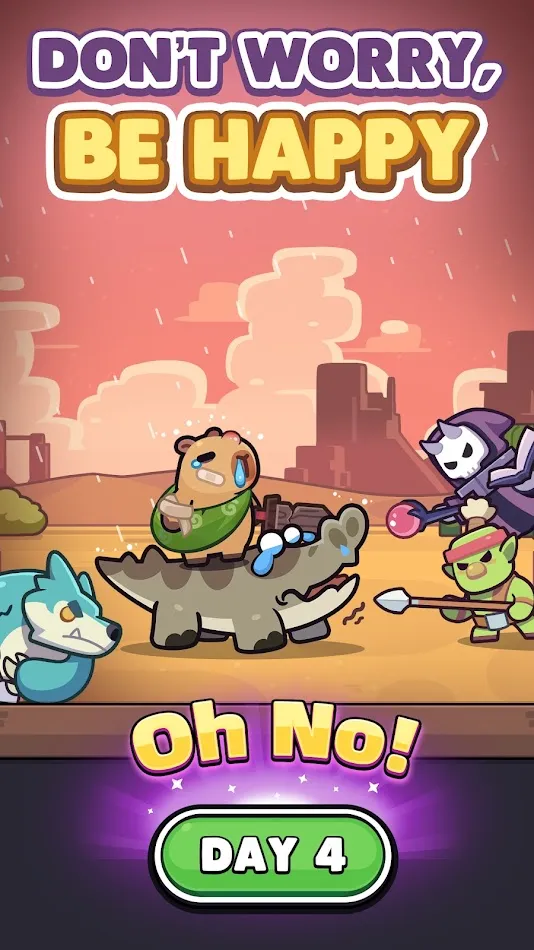
There are periods where advancement feels difficult. Players may lose repeatedly against certain chapters or struggle to make meaningful progress during short sessions. These moments can create frustration because the game clearly shows the next goal while making it temporarily unattainable.
However, these walls also become part of the game’s appeal.
Instead of feeling completely impossible, they often feel temporary. Players leave, complete other activities, improve their character slightly, and return with another chance to succeed.
The cycle of failure, improvement, and eventual victory gives the game much of its emotional payoff.
Daily Play Becomes a Comfortable Routine
One of the strongest aspects of Capybara Go! is how naturally it fits into short daily sessions.
Players can log in, complete several activities, attempt another adventure, and make some progress without needing to dedicate hours at a time. Even brief sessions often feel productive.
At the same time, longer play sessions remain appealing because each attempt creates new situations. Different abilities, different outcomes, and unexpected combinations keep the experience from becoming completely predictable.
The game develops a rhythm. Players check in, make progress, encounter challenges, and leave with a clear goal for the next session.
That routine becomes surprisingly satisfying.
The Appeal Comes From Watching Your Build Grow
Many players stay with Capybara Go! because they enjoy seeing their character evolve over time.
The capybara itself remains familiar, but each run can feel slightly different depending on the choices made during the adventure. Some attempts focus on survival, while others become powerful offensive runs.
Players often spend their time thinking about possibilities. They wonder whether a different choice would have produced a stronger build or whether another attempt could create a more successful combination.
This experimentation keeps the game feeling fresh even when the core activities remain largely the same.
The pleasure comes less from collecting things and more from watching systems interact in satisfying ways.
The Game Rewards Patience More Than Skill
Unlike action games that demand quick reactions, Capybara Go! rewards consistency.
Success usually comes from returning regularly, making thoughtful decisions, and gradually improving over time. The game asks players to trust the process rather than master complicated controls.
This makes the experience approachable for casual players while still providing enough strategic decisions to maintain interest. There is very little pressure to play perfectly, yet there is always room to play smarter.
That balance helps the game appeal to a wide audience.
Who Will Enjoy Capybara Go?
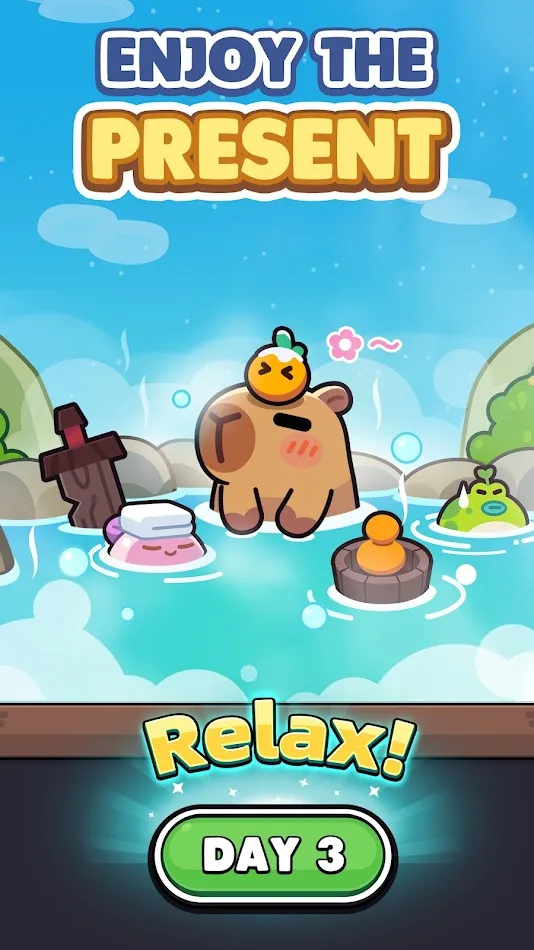
Capybara Go! is best suited for players who enjoy gradual progression and long-term improvement. People who like roguelike decisions, relaxing gameplay, and the satisfaction of becoming stronger over time will likely find the experience rewarding.
Players looking for fast action or constant excitement may find the pacing too slow. Much of the game’s enjoyment comes from patience, repetition, and incremental progress.
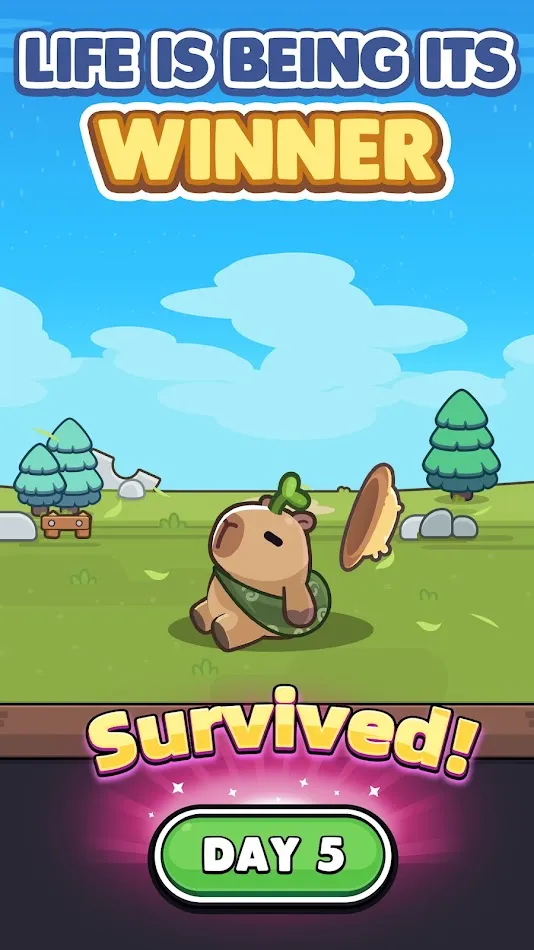
What makes Capybara Go! memorable is not its complexity but its ability to turn small victories into meaningful ones. Every day feels like another attempt to go slightly farther than before, and that simple goal becomes surprisingly difficult to put down.
After dozens of hours, the experience feels less like chasing rewards and more like accompanying your capybara on a long journey that never quite feels finished.
How to Install Capybara Go! APK on Android
Installing APK on your Android device is quick and easy. Follow the steps below to complete the installation.
Step 1: Download the APK File
Tap the download button and wait for the APK file to finish downloading on your device.
Step 2: Allow Installation Permissions
If your device requests permission to install apps from external sources, enable the required permission in your device settings.
Step 3: Locate the Downloaded File
Open your Downloads folder or file manager and find the downloaded APK file.
Step 4: Install the APK
Tap the APK file and select the Install button. Wait a few moments for the installation process to complete.
Step 5: Open the App
Once the installation is complete, open Capybara Go! from your home screen or app drawer and start using the app.
FAQs
Q1. Is Capybara Go! a relaxing game to play?
Yes, Capybara Go! offers a fairly relaxed experience because combat happens automatically and sessions can be completed in short bursts. Most of the gameplay revolves around making decisions, watching your build develop, and gradually overcoming tougher stages rather than relying on fast reactions.
Q2. Does Capybara Go! become repetitive over time?
The game does involve repeating similar activities, but different ability combinations, random events, and gradual progression help keep runs interesting. Players who enjoy steady improvement often find the repetition rewarding rather than frustrating.
Q3. What keeps players coming back to Capybara Go! every day?
Players usually return because of the constant sense of progress. Even small improvements, stronger builds, and previously difficult stages becoming manageable create satisfying moments that encourage another session.
Q4. Who is Capybara Go! best suited for?
Capybara Go! is ideal for players who enjoy casual RPGs, roguelike decision-making, and long-term progression. It particularly appeals to those who prefer relaxing gameplay sessions over fast-paced action or competitive multiplayer experiences.
